

What Is An Electrician's Certificate?
An electricians certificate is a document that proves that an electrical system is installed correctly and safely. They can be issued for new installations, as well as for existing installations.
To become a licensed electrician, you must complete a combination of training and work experience. This typically means attending a community college or trade school before undertaking an apprenticeship.
Education Requirements
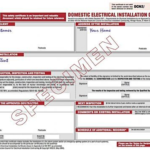
You may want to consider becoming an electrician if you want a rewarding career with a high salary and rapid job growth and the chance to directly impact people. As an electrician you'll be responsible for installing and maintaining electrical systems in industrial buildings, and commercial structures.
You must meet the requirements of your state to obtain an electricians certificate . First, you need to earn the high school diploma or GED certificate.
The next step is to complete an apprenticeship that combines on-the-job training with classroom instruction and mentorship from master electricians. The entire process typically lasts about four years or 6,000 to 10,000 hours.
You will learn how to install wiring and equipment to ensure safety and effectiveness of all types electrical devices. You will also learn how to use specialized tools and practice troubleshooting issues with different types of equipment.
Once you've completed your training, you'll be able to apply for a position as an electrician journeyman. You will need to complete an additional year of apprenticeship and pass an exam. The master electrician's license will allow you to expand your job opportunities and give you the freedom to choose your projects.
To ensure that your license is valid it is necessary to make a renewal application. You also need to keep your education up to date. These classes are usually provided by your state's licensing body and provide additional instruction in new electrical technology or equipment.
The process of becoming an electrician differs by state, but all require an high school diploma or GED certificate, and an apprenticeship period of a few years before you can sit the test. Many states require you to have completed a certain amount of classroom and on-the-job training before you can get your license.
Certain states offer apprenticeship programs that allow academic credit towards the apprenticeship requirement, but others require that students earn an associate's degree prior to starting the apprenticeship program. These programs are ideal for students who wish to begin an apprenticeship right away after graduation, or as a step towards a bachelor's degree.
The outlook for employment for electricians is very good, and the demand for skilled tradesmen is high. You'll be able to find jobs in a variety of industries such as construction and repair.
Experience is a must
If you're thinking of becoming an electrician, the first step is to apply for an authorization. In many states, a license is required for electrical work however, some states permit non-licensed electrical work under certain situations.
To become licensed, electrical certification uk must have an accredited electrical education or work experience and pass an exam. In some cases you may be required to complete an apprenticeship. In other cases, you may be required to prove 8,000 hours of experience.
An electrical journeyman license can also be obtained if you hold a bachelor's degree in a trade or combination of education and experience. This license is among the most popular among electricians who are just starting out.
Once you've earned a journeyman license, you can increase your career options by obtaining master license. Master electricians are able to perform more complex and difficult tasks than an electrician who is a journeyman. However, you'll be limited in the types of projects you can undertake and you may need to complete continuing education frequently.
Whatever electricity certificates of license you've earned It is essential to keep your license current with any changes to the law or regulations. This can help you avoid mistakes, and also protect you from lawsuits.
It is easy to become overwhelmed by the licensing process. Do your research before you start.
If you're a novice electrician, check with your local electrical department or board to learn more about the requirements to obtain a license. These boards can help you decide what kind of license is right for you, and what educational opportunities are available to you.
After you have obtained your electrical license, it is important to show your safety abilities. This can be done through continuing education or by taking a safety course.
It's equally important to be careful when handling electrical equipment or small parts. To avoid injury or accidents, it's crucial to follow specific guidelines when servicing or installing large systems.
You can also receive master electrician certification after you have been a journeyman for a number of years and passing an exam. This is an essential step for electricians who are new to the field as it allows you to work in a variety of different areas and allows you to be more flexible. Eventually, you can earn an electrical contractor's permit so that you can run your own company and supervise your employees.
Exam Requirements
Before they are licensed the state of residence must require all electricians have completed a certain amount of hours in the classroom and documented hours on-the-job training. They must also pass an exam. In general, the test will be a comprehensive examination of information related to the electrical industry, such as the National Electric Code.
Additionally, many places offer apprenticeship programs in which apprentices work under the supervision of a master electrician in order to receive on-the job instruction and gain an understanding of the specifics of the job. They can take up five years to complete and usually require a fee.
Some cities have very strict guidelines to obtain an electrician's license. However, others have more relaxed requirements. In New York, for instance electricians who are interested can earn the equivalent of a journeyman's license in around four years.
Individual states also have their specific requirements for licensing and registration, so be sure to visit your state's website to find out more details about what you'll need to complete to become a licensed electrician.
For instance, Alaska requires that all electricians who work in residential areas have completed 4,500 hours of formal training (500 in-classroom hours and 4,000 hours of on-the-job training). Then, you must pass an examination.
Other states, like Texas and Utah have licensing requirements that vary by licensing category. To be able to obtain a non-contract electrician license in Utah, for example, you must possess at least two years of experience in an apprenticeship program. In addition, you will need to pass a licensing exam.
The South Dakota Electrical Commission offers three types of licenses that include master, journeyman and apprentice. You must have a high school diploma, or GED certificate and be enrolled in an apprenticeship program in order to qualify for these licenses.
A high school diploma is the minimum educational requirement for master electrician licensure. You must also have at minimum four years of experience as journeyman electrician and pass an examination. You can substitute some of your work experience by taking a full-time course in an electrical related program.
Ohio has a license that is limited for general electricians, that is only valid in Hamilton and Middleton. Electricians can work in the majority of other cities without a license provided they have one issued by their local jurisdiction.
License requirements
Electricians are the ones who use electricity to help people use it in their homes, businesses, and other facilities. They are an essential part of the infrastructure that helps to power and sustain the lives of millions of people across the world.
While some electricians are self-employed many work for electrical contracting companies, and typically, they need to obtain a license in order to do so. Although licensing requirements differ from one state to another an electrician must hold an high school diploma or GED certificate as well as completed an apprenticeship course prior to becoming licensed.
Apprenticeships are a great opportunity to acquire the knowledge and skills for becoming an electrician and they are also useful to build experiences in a specific specialization or trade. Most apprentices take courses at technical or vocational schools. They work under the supervision of an electrician for a specified period of time, gaining valuable practical experience.
After completing an apprenticeship, electricians can apply to take a licensing exam and become journeymen or master electricians. The majority of states require that journeymen possess at least four years of experience and 8,000 hours of work experience to be able to be able to sit for the journeyman examination.
Master electricians can be certified in various specialties. They could be able to teach apprentices or supervise other electricians within their area and even own a contracting business.
The electrician's certification is a great way to promote your services and demonstrate your knowledge. It will also allow you to earn more money in the area and make a name for yourself.
For licensure for licensure in New York, you can receive a certificate or an associate degree from a vocational school. Apprenticeships are also offered by a few trade schools, which combine the classroom with hands-on experience.
To be able to obtain an electrician's certificate you must pass a written and practical exam. The exam is written and contains multiple-choice questions based on the National Electrical Code (NEC). The results will be sent to you within three or four weeks of taking the test.